
The Cyber Mission Does Not Pause
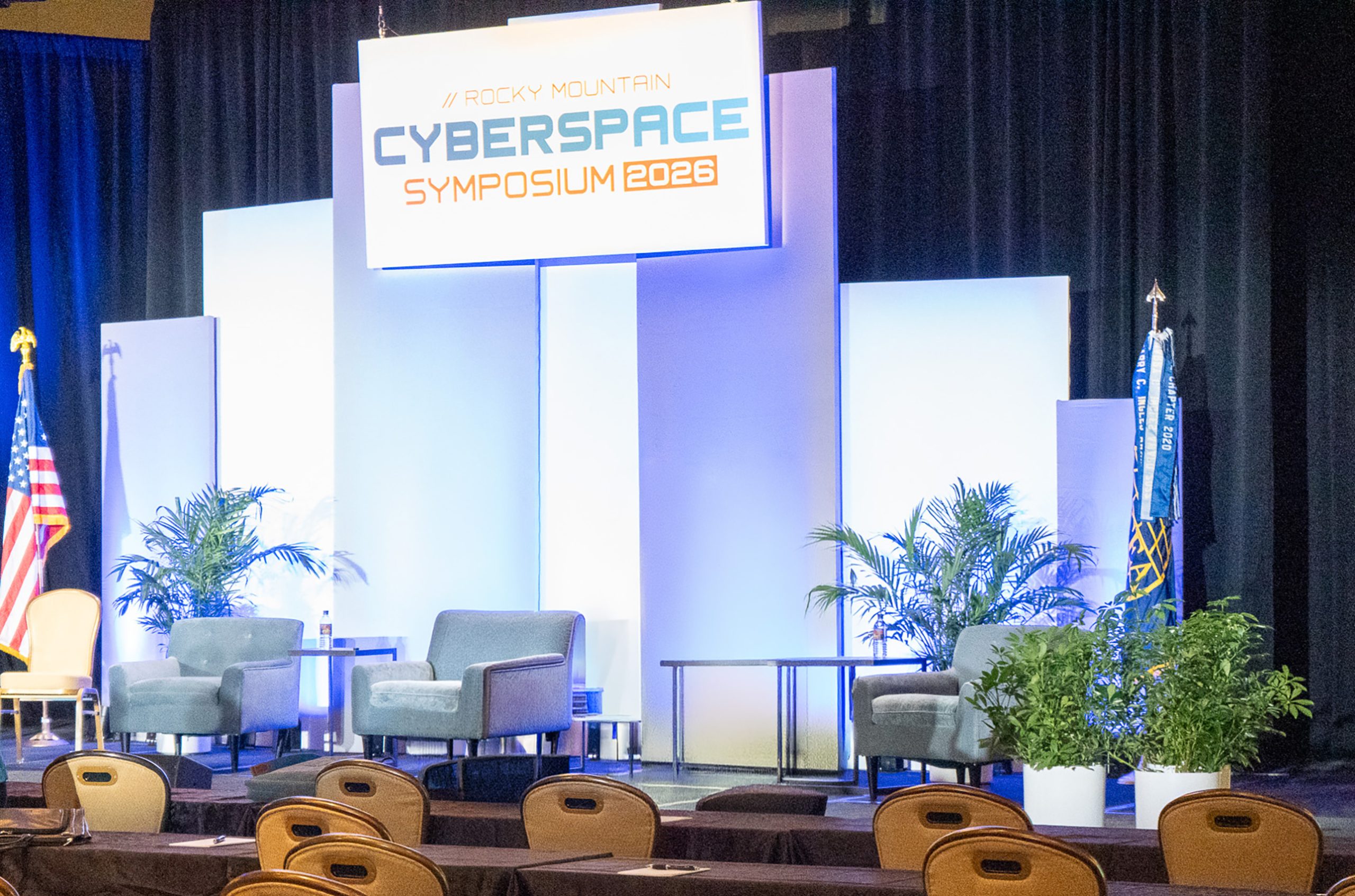
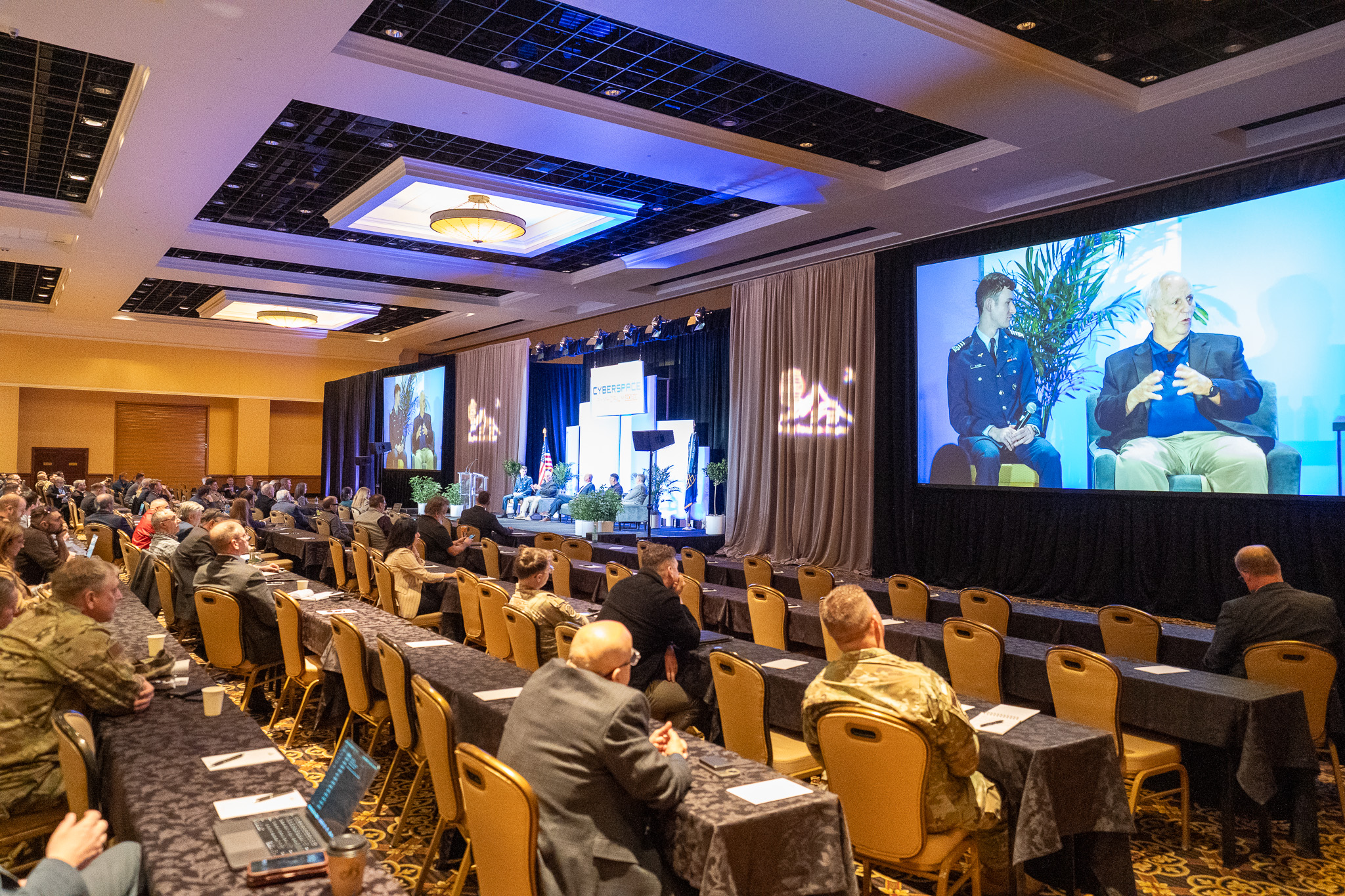
This years’ Rocky Mountain Cyberspace Symposium at The Broadmoor in Colorado Springs, the tone was one of continuity and resolve. Even with the uncertainty created by a partial federal government shutdown, the message from military, civilian, and industry leaders who were able to attend was clear. The cyber mission does not pause, and the systems that support it cannot pause either.
As a Director of Business Development at CyKor, I left RMCS with renewed clarity about how we must continue to evolve as a Technology Solutions Provider. We support missions across the Navy, Air Force, Marine Corps, and Army, as well as Federal Civilian organizations within DHS, such as the Coast Guard, Customs and Border Protection, and DHS Headquarters. While these missions differ, the challenge is consistent. Leaders are expected to deliver secure, reliable outcomes in environments that are increasingly complex and contested.
Disruption Starts at Home
This year’s theme, “Dominance Through Disruption,” felt especially relevant given the broader context. Much of the discussion focused not on disrupting adversaries, but on disrupting how we operate internally. Leaders spoke candidly about the limits of long, rigid IT lifecycles and acquisition models that struggle to keep pace with mission needs.
The message was straightforward. Success is no longer about owning the right tools. It is about building systems that can adapt as missions evolve and conditions change. Flexibility, speed, and resilience are no longer nice to have. They are required.
“Success depends less on owning individual tools and more on building systems that can adapt as missions change.”
An Expanding Attack Surface
A recurring point from senior leaders was that our attack surface continues to grow at an exponential rate. Defending it with siloed teams and fragmented point solutions is no longer a realistic strategy. This holds true whether the mission involves global connectivity, complex logistics, homeland security, or critical border operations.
The path forward relies on smarter, more integrated architectures that prioritize automation, accelerated analysis, and the strategic use of data. In the current landscape, decisions must be made quickly and with absolute confidence, often in environments that are degraded, contested, or entirely disconnected. There is no room for lag and systems that cannot operate at the speed of the mission quickly become obstacles rather than enablers.
“Trying to defend everything with isolated teams and point solutions is no longer realistic.”
From Tools to Outcomes
For CyKor, these conversations reinforce how we approach our role. Our focus is on delivering secure, automated, and AI-ready environments that support real operations across DoW and DHS. We are not there simply to deploy technology. We are there to help leaders make better decisions and reduce friction for the warfighters executing the mission. When systems work as intended, operators spend less time managing infrastructure and more time focusing on what matters.
“Our role is not just to deliver technology, but to help leaders make better decisions.”
Security Beyond the Checklist
Zero Trust was another consistent topic throughout the week, particularly the need to move beyond treating it as a compliance exercise. Leaders were clear that meeting required outcomes is only the starting point. The real question is whether systems will hold up under stress.
At CyKor, we work closely with programs to understand where compliance ends and operational risk begins. We recognize that in a contested environment, the speed and agility of your Zero Trust infrastructure is just as critical as its security. Whether we are supporting enterprise environments, tactical systems, or edge operations, the objective remains the same: build automation, and security directly into the architecture. This ensures that identity verification and threat response happen at machine speed, keeping systems effective and resilient even when conditions are less than ideal.
“Compliance is the starting point. Operational resilience is the goal.”
Industry’s Role in Mission Success
RMCS was not about announcing new contracts or showcasing the latest tools. It was a reminder that industry has a responsibility to show up as a true partner. Government teams cannot carry the full load alone, and the complexity of today’s missions demands stronger collaboration.
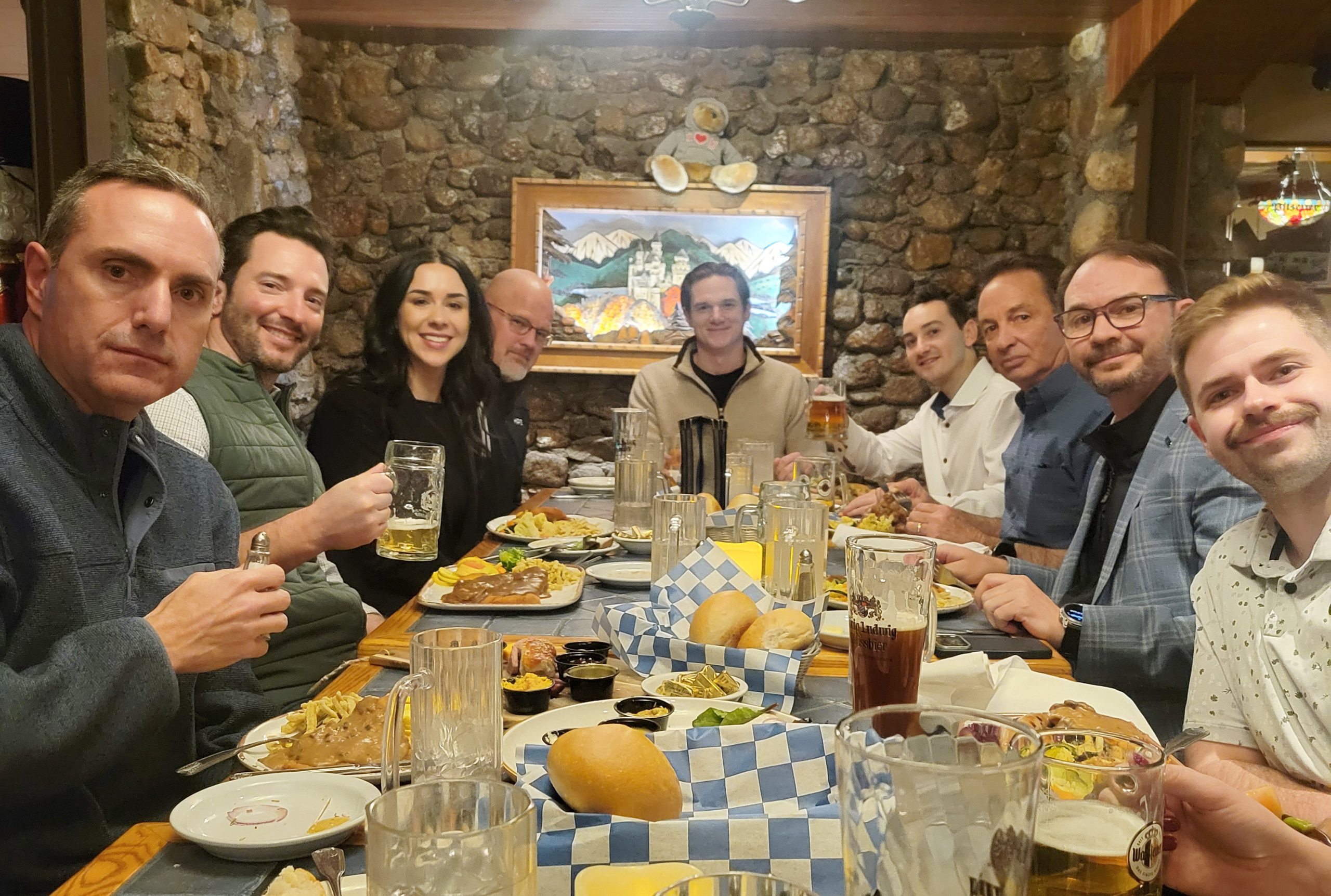
Some of the most valuable conversations happened outside the main sessions, in meeting rooms and on the expo floor. When guidance is delayed or conditions are uncertain, progress still depends on trusted relationships and practical problem solving.
At CyKor, we are already applying these lessons by meeting customers where they are and helping them move beyond checklist-driven approaches. Securing the mission, whether overseas or at home, requires systems that are built to perform under uncertainty. It also requires partners who understand the mission and are prepared to support it over the long term.



 Erika Klear is a Director of Business Development at CyKor, supporting Department of War missions through secure, mission-focused technology solutions. With experience aligning operational needs to technical outcomes, she works closely with government and industry partners to help programs deliver resilient, mission-ready capabilities.
Connect with Erika on LinkedIn